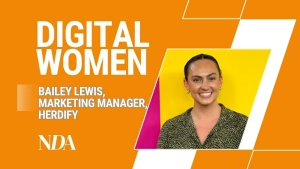
Michaela Rairata is Client Growth Director at Nano Interactive, specialists in privacy-first ad targeting solutions.
What is the biggest opportunity for women in your sector of the digital industry today?
The ad tech industry is ripe with opportunities for innovation and growth, particularly in fostering diversity. Women have a unique chance to shape this evolving landscape by bringing diverse perspectives and solutions to the table, enhancing innovative thinking, creativity and driving positive changes across the industry.
What is the biggest challenge to you as a woman in the digital industry, and how are you overcoming it?
One significant challenge we face as women in the digital industry is still being outnumbered at events/panels etc frequently being of very few females in the room but I appreciate the trade bodies and hosts are doing a lot to combat this. Personally, for me, I encourage my team to proactively expand their professional network and actively engaging in discussions and events that appeal to a broad audience. This approach not only helps in building inclusive conversations but also ensures that all contributions are recognised and valued, fostering a more welcoming environment.
What three things could employer companies do to make the digital industry better for women?
First, offering leadership courses tailored to diverse groups could help level the playing field for all employees – this goes beyond just gender. Second, fostering an open dialogue about matters that are sometimes considered taboo such as maternity leave or menopause. Women should feel comfortable seeking information without fear of career repercussions. Finally, embedding these practices into the corporate culture will reinforce a commitment to diversity and inclusion, benefiting everyone in the organization. There are so many fantastic companies out there already doing a lot to support businesses in this way.
What support structures and organisations are most important and effective to you as a woman in the digital industry?
Effective support structures are those that provide both mentoring and networking opportunities. Organisations that focus on professional development for women and promote access to leadership roles are particularly valuable. These groups not only offer guidance and support but also advocate for systemic changes that benefit all women within the industry. For me, organisations that are doing a great job are Good Shout, MEFA and Bloom.
What is the biggest misconception about women and by women in the digital industry?
A common misconception is that women may not be as knowledgeable about or interested in the technical aspects of the industry. It’s encouraging to see an increasing presence of women in product and technology roles demonstrating that women not only have the interest but also excel in these areas. As more women join these fields, we’re seeing these stereotypes being dismantled, showcasing our significant contribution and expertise. I’m proud to say I lead a team where we have a healthy 50/50 split.