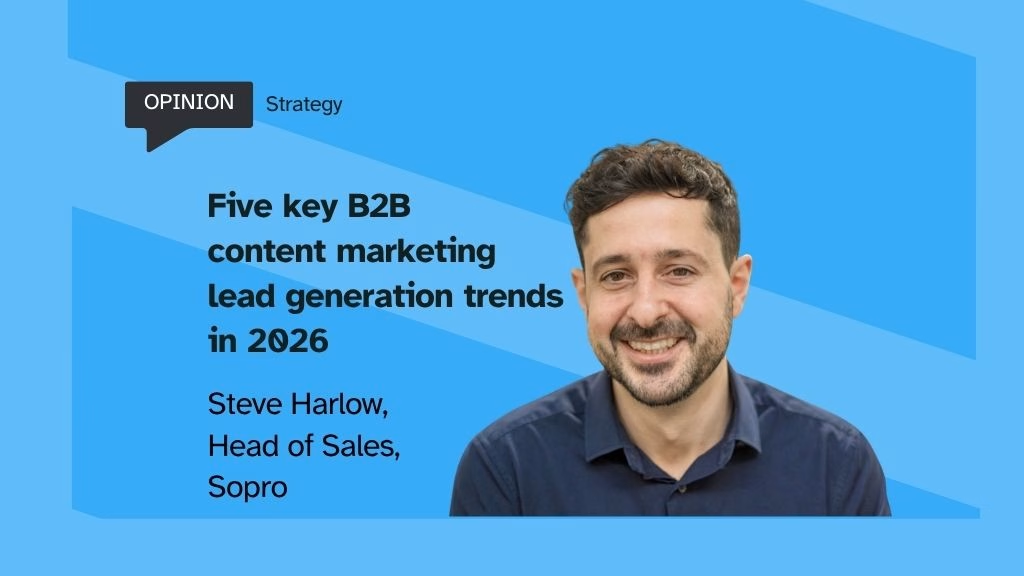
by Steve Harlow, Head of Sales at Sopro
Lead generation has never been more important, or more difficult to get right.
B2B buyers are researching independently, buying committees are growing, inboxes are more crowded, and AI has made it easier than ever to send messages that seem efficient but feel forgettable.
In 2026, the strongest B2B lead generation teams are no longer chasing volume for volume’s sake, and these stats prove it. Instead, they’re building lead generation systems around better targeting, stronger intent signals, useful content, multi-channel visibility, and personalisation that actually means something.
One change I’ve noticed is the rising importance of content marketing in B2B lead generation. Below are five of the most influential trends we’ve identified by combining industry research with exclusive data from our State of Prospecting 2026 report.
61% of B2B marketers expect their organisation to increase investment in video
Video continues to grow as a B2B content format, helping make complex topics easier to understand, bringing experts to life, and creating more engaging touchpoints across the buyer journey.
Formats such as product explainers, customer stories, webinars, and short thought-leadership clips can all support lead generation. The difference between videos that work and videos that don’t usually comes down to usefulness.
Before pressing record, ask yourself: Why am I filming this? Regardless of the format, content needs to be useful, answer real buyer questions, and not just made because the format is popular.
Almost a third of B2B marketers have increased their use of YouTube in the previous 12 months
Video-led search and education are becoming increasingly important, and YouTube can support buyers who want to learn visually, compare solutions, or understand complex topics before speaking with sales.
Uploading videos can also extend the life of webinars, demos, and expert content, so leveraging YouTube and its massive user base is less about going viral and more about being useful to buyers during research.
74% of B2B marketers say content marketing helped generate demand or leads in the last 12 months
Content remains one of the most important lead generation channels. Buyers want to research before they speak to sales, and useful content helps them compare approaches and decide which suppliers are worthy of their investment.
Although it can help capture leads, the content you create shouldn’t be designed only to rank highly on Google. You also need to support buying decisions and help prospects do their best work to showcase your expertise.
Nearly half of B2B marketing professionals say content marketing helped generate sales or revenue
Content can influence commercial outcomes, even when it’s not the final conversion point.
A buyer may read several pieces of content before filling in a form or speaking to sales.
This level of influence can be difficult to measure, but it still matters, highlighting a real need to create content that connects to sales conversations, buyer objections, and real business problems.
52% of B2B marketers expected increased investment in thought leadership content
Thought leadership helps brands build authority before buyers are ready to talk, helping you build trust over time. If your audience already recognises your expertise, they’re more likely to engage when outreach or conversion opportunities appear.
Remember: the best content is specific, original, and opinionated – generic industry commentary is unlikely to stand out.
Conclusion – how is lead generation changing in 2026?
Lead generation is becoming more data-led, more personalised, and more connected across channels.
Buyers are doing more research independently. They have access to more information than ever, including reviews and social proof, and AI makes it easier to access this than ever before.
At the same time, AI, intent data, automation, and attribution tools are helping teams improve targeting, timing, and follow-up.
For me, the biggest shift is from volume to relevance. The strongest teams are focusing less on generating as many leads as possible and more on reaching the right accounts with the right message at the right time.