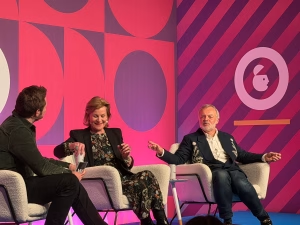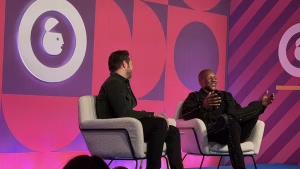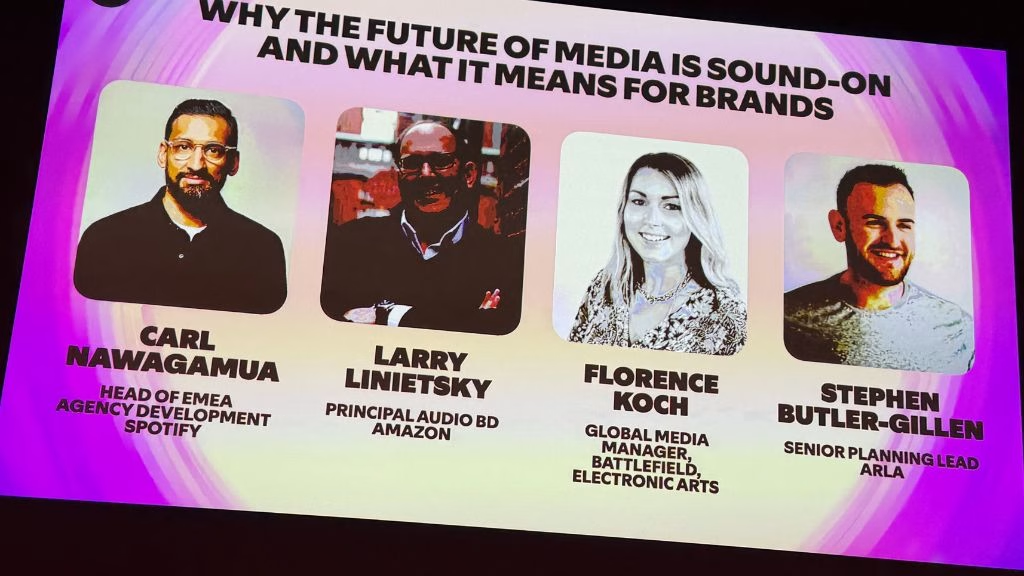
Audio is reclaiming its position as the primary interface of modern life according to an Advertising Week Europe panel featuring Jenny Haggard of Spotify, Larry Linietsky of Amazon, Florence Koch of Electronic Arts, Stephen Butler-Gillen of Arla, and Carl Nawagamuwa of Spotify.
The panel explored why brands must embrace a “sound-on” strategy and how audio is reshaping consumer engagement.
Audio as a personal experience
Larry Linietsky opened by reflecting on the changing nature of audio consumption. “I walk around with headphones everywhere, and now audio is around you all the time,” he said. Linietsky emphasised that wireless headphones and on-demand listening have made audio a constant companion, creating opportunities for brands to reach audiences during personal daily moments.
Florence Koch added that understanding the audience is key. “Gamers are sceptical and passionate, so the best way to reach them is by understanding what they care about. Nostalgia is huge, and creating value exchanges in audio, rather than just pushing messages, helps us connect authentically.”
The importance of quality attention
Panelists highlighted the value of quality engagement over broad reach. Linietsky discussed the concept of “personal prime time,” where audio reaches listeners during intimate moments such as cooking or family time.
In a campaign with Spotify, Amazon ensured minimal audience overlap across channels: “The channels aren’t there to compete against each other, they work together. We had only 9.6% audience overlap across Spotify, Amazon DSP, and Netflix, which allowed us to extend reach while maintaining quality attention.”
Koch noted that audio environments like Spotify provide uninterrupted listening, creating a focused space where brands can truly earn attention: “It’s about being unmissable across your campaign, knowing the platform, and creating a top-of-funnel presence that feels organic.”
Channel-first thinking for marketers
Stephen Butler-Gillen of Arla emphasised that campaigns must be tailored for the medium. “Brands often plan a campaign for one channel and then retrofit it for others. Instead, you need to be channel-first. Audio is intimate and personal, so you need to tailor your message to that context,” he said.
Koch agreed, adding that success requires integrating with platform-specific behaviour. “It’s about using platforms for what they’re for. If you can merge your brand with the environment, the value exchange becomes authentic. That’s how you get people engaged rather than just pushing out a message.”
Creating value through engagement
The panel repeatedly stressed the importance of meaningful interaction. Koch explained that listening is a two-way experience, particularly in gaming and music communities: “We’ve learned to take feedback from the community, listen to what they’re saying about our brand, and adapt agilely. Building creative messages that resonate is critical.”
Linietsky illustrated how audio allows brands to connect in intimate moments: “Audio enables us to tap into personal moments, giving people experiences that feel integrated into their lives. This is powerful because it’s not just about exposure; it’s about connection.”
Sound-on strategies as a competitive advantage
The discussion concluded with clear guidance for marketers: embrace audio as a core part of strategy. Butler-Gillen summed it up: “Think about making audio part of your strategy, talk about your brand multiple times in the ad, and ensure people remember it. You can shut your eyes, but you can’t shut your ears.”