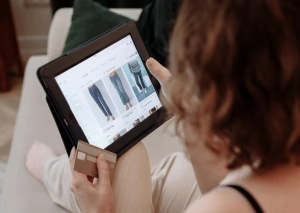
Almost half of British adults are planning to reduce their screen time this Christmas, according to new research from the IPA, suggesting a significant shift in festive behaviour and a challenge for advertisers looking to capture attention during the most competitive season of the year.
The report, The 2025 Christmas Consumer, is based on a nationally representative survey of 2,000 UK adults conducted by Opinium. It revealed that 47% of respondents intend to spend less time on screens over the festive period.
Younger generations are leading this trend, with 64% of Gen Z and 57% of Millennials planning a digital detox. Additionally, 37% of all adults, including 51% of Gen Z and 44% of Millennials, say they aim to take a break from social media.
The motivations behind this screen break are rooted in a desire to reconnect with the true spirit of Christmas. Sixty-two percent believe that too much screen time detracts from the holiday’s meaning, while 65% agree that Christmas should be a time to put phones away and be present with loved ones.
This sentiment contrasts with findings from the recent IPA TouchPoints study, which showed that UK adults now spend an average of 7 hours and 27 minutes per day consuming screen-based media, up from 6 hours and 36 minutes in 2015.
Beyond screen habits, the report delves into a wide range of festive behaviours and preferences, from shopping and traditions to charitable giving and advertising tastes.
Shopping trends and the Black Friday effect
November and the first week of December remain the busiest period for Christmas shopping, with 53% of Brits doing most of their purchasing during this time. Black Friday continues to grow in importance, with 17% of respondents now saying they do the bulk of their festive shopping during this sales period, up from 13% in 2022.
Shopping habits continue to evolve, with 47% of people splitting purchases between online and in-store, and 31% now shopping mostly or exclusively online.
Nostalgia and storytelling drive Christmas ad preferences
As brands prepare for the festive season, the research provides clear guidance on what consumers want from Christmas ads. Topping the list are traditional Christmas settings (40%), nostalgia (37%), humour (34%) and compelling stories (29%). Celebrity appearances, brand mascots and direct product promotion rank far lower in importance.
Traditions, togetherness and charity
Three-quarters of Brits will spend Christmas Day with family, while 16% will be with friends and 8% will spend the day alone. Traditions remain vital, with 78% agreeing they are a key part of the holiday.
Despite financial concerns driven by global conflict and rising costs, 22% say they will increase their donations to overseas charitable appeals this year.
A challenge and opportunity for brands
Commenting on the findings, Eric Kreis, Insight Manager at the IPA, said, “In an always-on culture, the desire to switch off at Christmas is understandable. This shift presents a real challenge for advertisers, who will need to work harder to engage audiences with relevant, emotionally resonant campaigns.”