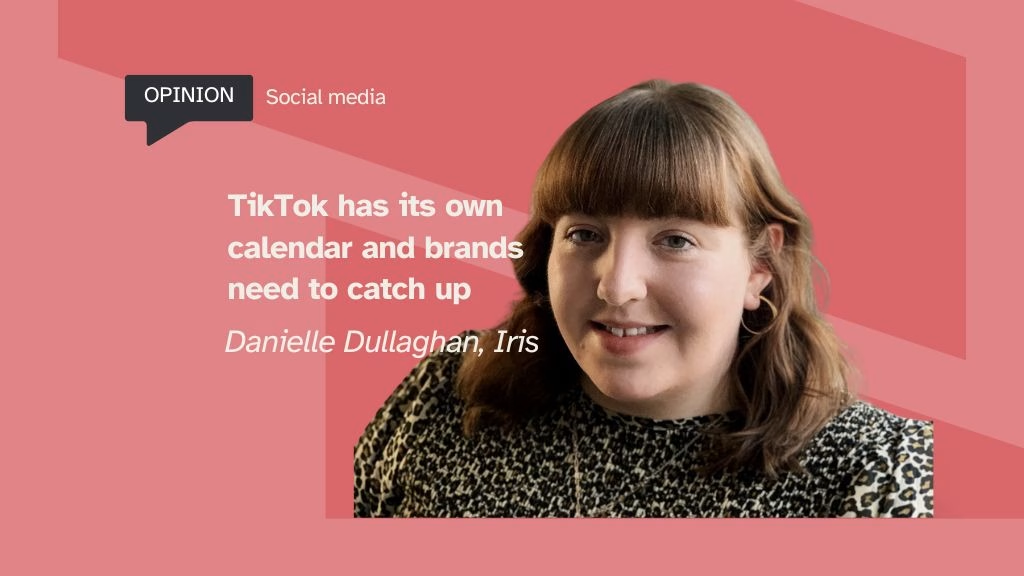
Forget Christmas. Forget Halloween. The biggest cultural moments for Gen Z aren’t on the official calendar, they’re on TikTok, says Danielle Dullaghan, Social Director at Iris.
TikTok is no longer just reflecting culture; it’s creating its own. While traditional calendars revolve around familiar markers like Christmas, Halloween, or summer holidays, TikTok has developed a parallel “cultural calendar” defined by sounds, rituals, and aesthetics that return stronger each year.
Every season now has its own sonic cues. Just as Christmas music signals the holidays, tracks like August by Taylor Swift reliably floods feeds at the end of summer, soundtracking nostalgic edits and mood-boards. Come autumn, whimsical and spooky audio resurfaces alongside visual rituals like “boo baskets.” These aren’t one-off trends, but predictable anchors that shape how millions of people experience the time of year.
Beyond sound, TikTok drives rituals that spill into real life. Boo baskets in October, Valentine’s “self-love baskets,” or even micro-moments like a specific recipe become seasonal customs. They’re shared, replicated and embedded into how people mark a time of year.
Some of these traditions last weeks rather than months. “Summerween” (Halloween in July), Mariah Carey’s annual “defrost” in November, or Taylor Swift’s August turning an entire month into a mood are micro-seasons that expand the cultural calendar far beyond the usual holidays.
For brands, this shift demands a new mindset. TikTok traditions are predictable, repeatable and commercially powerful. The brands that thrive aren’t the ones scrambling to catch a moment as it peaks, but those that anticipate it. Planning for August in August or boo baskets in October turns trends into owned cultural real estate.
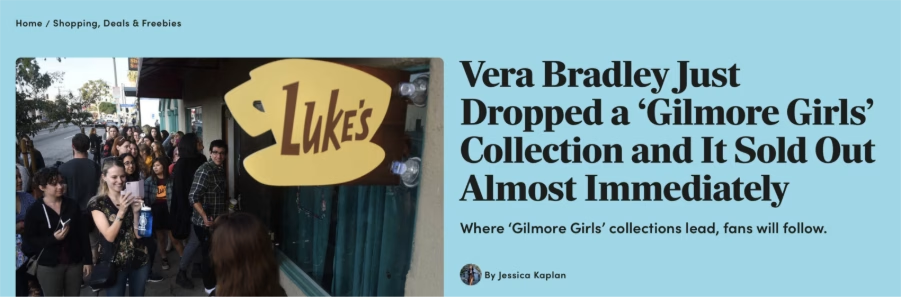
It’s not just about content calendars either. These rituals can shape product development, whether through limited-edition packaging, seasonal bundles, or themed “starter kits” designed to slot seamlessly into a TikTok tradition. The annual surge in Gilmore Girls nostalgia each autumn, which fuelled a wave of new merchandise, shows how consumption itself is being re-patterned by the app.
A brand wouldn’t dream of ignoring Christmas. Why ignore its TikTok equivalents? The smartest marketers are treating them as seriously as traditional holidays, allocating spend, media, and creative energy to ensure they don’t just take part, but become an essential part of the ritual.
TikTok seasons are no longer passing fads; they’re fixed points in the cultural year. They’re predictable, repeatable, and commercially powerful. The question for marketers isn’t whether these moments matter, they already do. The question is whether your brand is on the calendar.