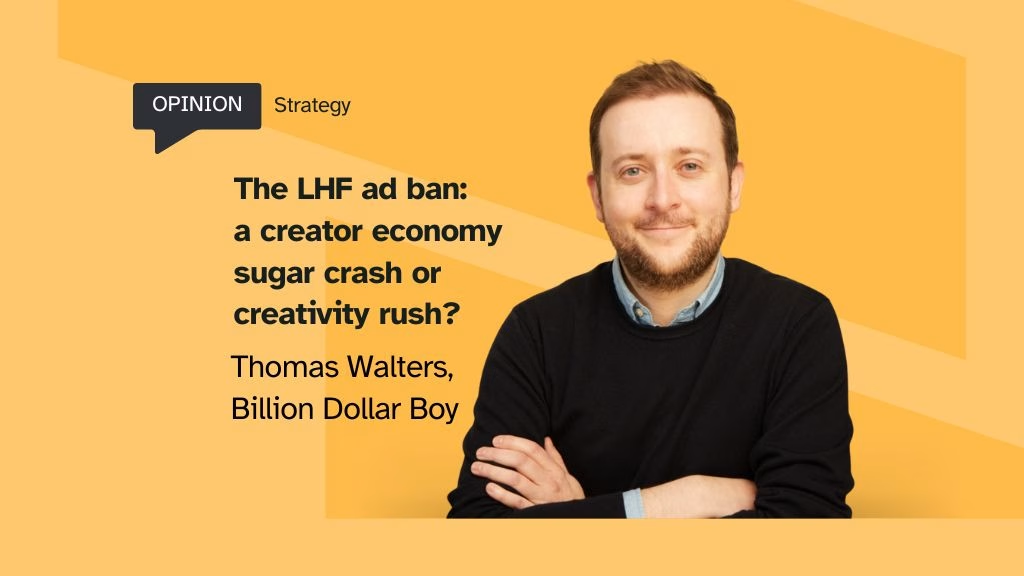
by Thomas Walters, Co-founder and Chief Innovation Officer, Billion Dollar Boy
Is the UK advertising industry about to experience a sugar crash?
From January 2026, the Government will impose its new, groundbreaking Less Healthy Food “LHF” ban restricting high fat, salt and sugar “HFSS” product advertising on TV to the 9pm watershed, while also imposing a total ban on paid-for HFSS advertising online – including creator-led campaigns. The new regulation will apply to all products and packaging recognisably featured, named or shown.
Many brands will begin adhering to the restrictions from the start of October in recognition of the regulation’s original launch date and to use the grace period as an opportunity to begin testing and learning alternative formats.
That means Christmas advertising could feel very different this year: with no more sweeping shots of banquets or close ups of oozing brandy butter soaked mince pies on TV; and tried-and-tested social formats like unboxing videos, taste tests and grazing table spreads may all be off-limits.
But disruption breeds opportunity. Sectors including alcohol and beauty have long operated under far stricter rules, yet they have built rich worlds around lifestyle, identity and culture – without the need to show the product. Food and drink brands and creators now face a similar challenge – and have the opportunity to turn an industry sugar crash into a creativity rush.
From product-first to feeling-first
The ban will accelerate a shift away from product-heavy creator content towards brand-led storytelling. Instead of showing a chocolate egg at Easter, a brand might celebrate its heritage, showcase chefs at work, or use creators to capture the emotions of family traditions. Coca-Cola’s famous “Holidays Are Coming” campaign shows how powerful this approach can be – its brand identity, cues and cultural resonance are what drive recall, not the product in the shot.
We can expect to see more “stealth branding” too, with companies leaning on colours, sounds or cultural cues that are synonymous with their identity without crossing regulatory lines – although early provisional guidance on the upcoming regulations has warned against exact replications of famous colour combinations that evoke certain iconic LHF product brands….
Think bubbly video content to evoke a soda brand; crunchy audio to imitate crisps; or velvety smooth graphics to conjure up the sensation of chocolate.
For creators, this is an invitation to flex creative muscle and move beyond transactional formats.
Challenges and opportunities for brands and creators
There’s no escaping the short-term hit. FMCG brands have been some of the biggest investors in the creator economy, and food-based creators will feel the squeeze. Previously straightforward partnerships – showcasing indulgent recipes or seasonal launches – will now require new approaches or may disappear altogether.
But this is also a chance for brands and creators to diversify:
- Lifestyle, parenting and wellness influencers are already well-placed to tell more emotive stories around food.
- Healthier food brands will find themselves with less competition and more share of voice.
- Meanwhile brands will also explore product reformulation, following in the footsteps of Coca Cola which launched Coke Zero to successfully navigate the sugar tax.
- Creators and brands who pivot their content effectively may even benefit from higher trust and engagement, as audiences respond to content that feels less overtly commercial.
- Brand-owned spaces remain a great potential avenue for influencer and brand-led content storytelling, as there are early indications these are not within the regulatory scope (subject to the final implementation guidance, of course).
Compliance is another hurdle. Many creators won’t be fully aware of the changes until briefs start shifting, and the ASA has previously pulled back on enforcement when it realised creators simply didn’t understand new rules. Industry bodies, brands, platforms and agencies must take collective responsibility to ensure clear, proactive communication and compliance training.
How brands should prepare
The voluntary compliance window is a gift. It gives brands time to test and learn before the rules become law.
The smartest marketers will use this moment to experiment with brand-only creator campaigns, build relationships beyond traditional food influencers, and invest in evergreen storytelling assets – including behind-the-scenes content, emotive user-generated compilations, and cultural activations. Some may even consider launching new, healthier alternatives or re-formulating existing products to escape HFSS categorisation altogether.
Importantly, brands should not see this as just a compliance exercise. It is a chance to double down on brand-building in a digital world that already demands more than product placement.
What happens to advertising spend?
Some budgets will inevitably shift in the short term as food and drink brands recalibrate, but creator marketing will continue to attract investment. Consumers aren’t returning to linear TV or skippable pre-rolls. They are spending their time online, where the cultural narrative is being set by content creators.
Instead, we’ll see a redistribution of investment. Money will flow from product-centric campaigns to brand equity-building activity. Measurement may evolve too: broadening out from direct product sales attribution and incorporating brand lift, favourability and engagement.
Over the course of more than a decade, Billion Dollar Boy has seen new legislation emerge, new platforms and format launch, and new competitors enter the market, but we’ve seen time and again how the creator economy adapts to change. Whether it’s stricter labelling rules, AR filter restrictions, or AI disclosure rules, the industry always evolves – and quickly. The LHF ad ban is no different.
The winners will be the brands and creators who treat this not as a regulatory hurdle, but as a chance to find the ingredients to tell richer stories and forge deeper cultural relevance.