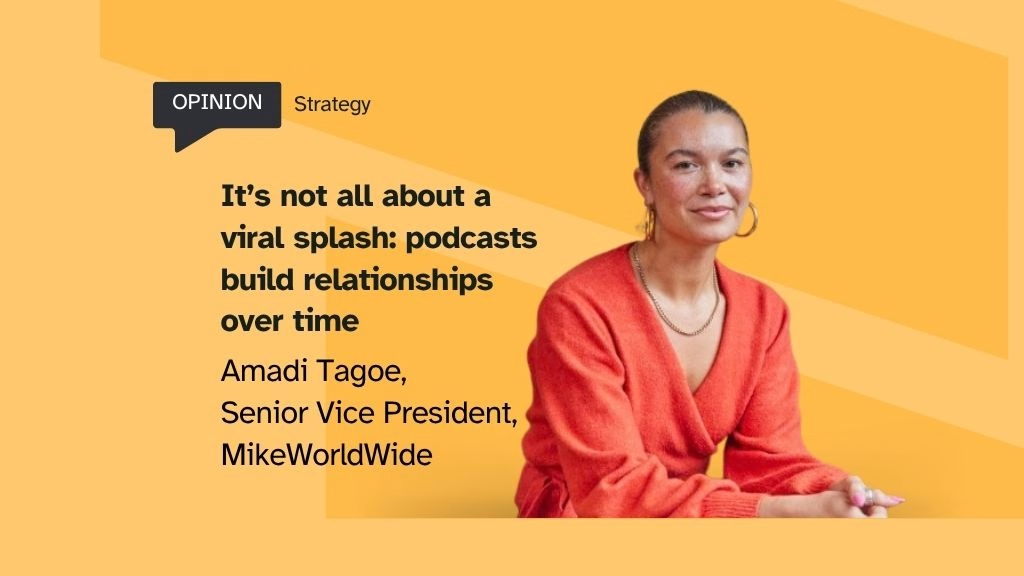
By Amadi Tagoe, Senior Vice President, MikeWorldWide
Increasingly, briefs come to us with some version of “make us go viral”. I get the appeal. A campaign that takes off can introduce a brand to a wide audience who perhaps would never otherwise have noticed it. But what happens when the coverage and clicks slow down? The harder thing is creating campaigns that have real legs long after launch week, turning that initial attention into something people choose to come back to.
That’s why, on International PodcastDay, I’m interested in what happens when brands stop thinking about podcasts as just another media opportunity and start thinking about them as something they can build. Sponsorship, host-read ads and spokesperson interviews still have their place, but creating a branded show of your own gives people something they can follow over time, with hosts and talent they feel connected to and a topic they really care about. A podcast can generate viral moments of its own, with the difference that new listeners have somewhere to go next and a reason to return when the next episode lands.
Ofcom’s May 2026 report puts weekly podcast listening at 27% of UK adults. For all the talk about shrinking attention spans, it’s also a reminder that short-form and long-form don’t have to compete for the same audience. A funny exchange on TikTok might introduce them to a show they then listen to while cooking dinner, when they have more time to unwind and don’t want to stare at a screen.
Dish from Waitrose is a good example of what I mean. Nick Grimshaw and Angela Hartnett’s chemistry gives people a reason to spend time with the show, while the food and recipes make Waitrose’s involvement feel natural rather than overly engineered. Someone might first discover Dish through a clip of a celebrity guest on Instagram, then listen to the full conversation and find themselves coming back for Nick and Angela as much as whoever is joining them.
By June, Waitrose had produced 165 episodes and reported 35% year-on-year growth in listens, after four years of developing the show. Its May research also found that 78% of listeners said Dish had encouraged them to shop there more often. For me, that’s the interesting bit – it shows how the relationship built through a show can start to influence how people feel about a brand and, ultimately, where they choose to shop.
For a brand, committing to the production is only part of the job. You also have to let the people making it do what you hired them to do. It’s the same approach we apply when working with influencers – giving them the freedom to bring their personality and and understanding of their audience. Otherwise, you risk the brand getting crowbarred in and the whole thing starting to feel forced. And we all know consumers can smell that from a mile away. Agreeing the brand’s role matters, but a podcast episode shouldn’t become a checklist of key brand messages. The hosts and talent need room to be creative and make content they know their listeners will engage with.
None of this means every brand needs a podcast. Frankly, plenty don’t. But they do need a good reason for people to listen, and the commitment to keep delivering it. For me, that starts with understanding where a podcast fits into the wider brand strategy. Who you want to reach? What you want to build a reputation for? And, crucially, why would anyone choose to listen? Those answers should shape both the creative idea and whether you create a show, partner with an existing one or realise a podcast isn’t the right route for your brand.
And creating the show is only half the job. Earned media, social and paid need to work together to keep introducing new audiences to it and give the listener base room to grow. It’s certainly an investment, of both time and money, but you get out when you put in.
That’s why the strongest briefs look beyond “make us go viral” and ask a harder question: how do we make something people want to come back to? That is a harder ask, but it’s also where the good stuff tends to happen. Attention can introduce someone to your brand. Giving them a reason to return is how you start building a relationship.