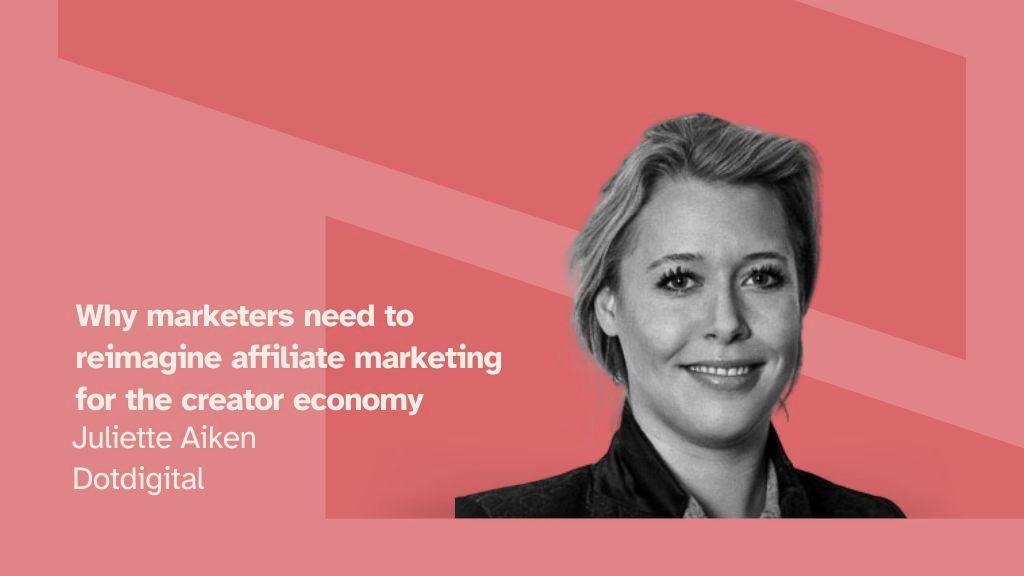
By Juliette Aiken, CMO at Dotdigital
Affiliate marketing was long seen as yesterday’s tactic – a relic of discount codes, voucher hubs, and referral links – but in 2025, it’s firmly back on the agenda. What began as a simple referral model in the 1980s has been reshaped by the rise of search, e‑commerce, and now social media and its latest reinvention is well and truly being powered by the creator economy.
At Dotdigital, our acquisition of Social Snowball reflects this change. Affiliate is no longer a peripheral performance channel, it’s becoming a core part of how brands connect with people across email, SMS, and social. Powered by creators and micro‑influencers, affiliate is evolving into a strategic area for growth, relevance, and long‑term loyalty.
From coupon codes to the creator economy
In the 2000s, affiliate marketing thrived in the SEO boom. Bloggers and publishers generated billions in global revenue through banners, referral links, and discount codes in the era of “clicks and coupons.” These tactics still exist today, but the real shift is the influence of trust.
Today’s audiences seek authenticity over flashy promotions. Discount codes now work because they’re seamlessly embedded within content that people actively choose to consume. Think of a fitness YouTuber recommending supplements with a personalised code, or a podcaster sharing a software referral link in a way that feels organic to their episode theme. The code itself isn’t what drives action; it’s the trust in the creator behind it.
A channel reborn through the creator economy
Affiliate has been declared “dead” more than once – disrupted by Google algorithms, shifting consumer behaviours, and now AI‑driven search. But each time, it adapts and the current resurgence is fuelled by creators who are building niche communities and personal brands that feel more authentic than polished advertising ever could.
This creator‑affiliate connection can be seen everywhere:
- Instagram and TikTok creators routinely share affiliate links for products that align with their lifestyle content, from fashion “hauls” and recipes to tech reviews and sports commentary. What drives conversions isn’t the coupon code but the personal endorsement from someone seen as relatable.
- Micro‑influencers with smaller followings often outperform celebrity influencers. Their deep engagement and community‑level trust make them powerful affiliate partners. They may have less reach, but they command far more resonance.
- User‑generated content campaigns, where everyday customers are incentivised to share referral links or discounts, extend affiliate marketing even further, making advocates part of the creator economy.
For brands, this marks a critical turning point. Creator‑led affiliate marketing is not simply about extending reach, it’s about embedding your product into trusted conversations. That requires moving away from transactional campaigns and towards long‑term, relationship‑driven partnerships.
The power of personalisation
Affiliate’s reinvention isn’t just about creators; it’s the interplay between data and authenticity. When brands combine first‑party data (purchases, preferences, behaviours) with creator‑led content, affiliate evolves beyond “10% off” codes into personalised experiences.
For example, a beauty brand integrates SMS with creator partnerships, sending customers a reminder about a new skincare product recommended in a tutorial they watched. Or an outdoor gear retailer links email campaigns to niche hiking influencers, aligning recommendations with seasonal trends and personalised customer profiles.
These activations are affiliate at its best: bridging data‑driven precision with the human touch of creators. Customers aren’t just converted, but understood, valued, and remembered.
Beyond transactions
Ultimately, marketing isn’t measured in clicks alone. It’s about building trust, nurturing relationships, and creating experiences that feel personal. Reimagined through the creator economy, affiliate marketing is one of the few channels that can drive both immediate performance and long‑term brand equity.
Affiliate, when integrated cross‑channel, isn’t an “add‑on.” It becomes a driver of sustainable growth where data meets empathy, and where the creator economy transforms marketing from transactional to truly personal.