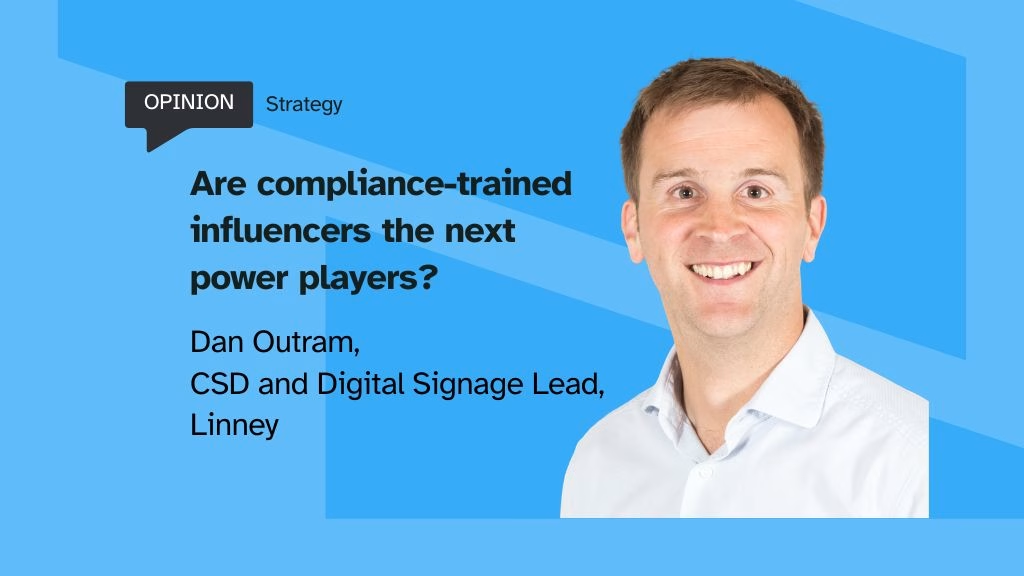
By Dan Outram, CSD and Digital Signage Lead, Linney
For food and beverage marketers, the rulebook has been rewritten. High Fat, Salt and Sugar (HFSS) advertising regulations are a new threat capable of dismantling campaigns within hours of launch. Production budgets become irrelevant, high-profile creator partnerships offer no protection, and the content that took weeks to perfect can vanish before it reaches its audience.
With UK companies spending an average of £849K a year on influencer marketing, the stakes are high. The influencer landscape is undergoing a fundamental shift, with compliance becoming as crucial as creativity. This emerging trend begs the question: are “compliance trained influencers” the industry’s next must have talent?
What has changed?
HFFS advertising regulations are now active across the UK, with 43% of industry leaders believing they could worsen food poverty. Backed by the Food and Drink Federation and in voluntary effect since October, the rules reach beyond “junk food” stereotypes to include some breakfast cereals, sweetened breads, ready meals and sandwiches.
The restriction aims to help people across the UK make healthier dietary choices, but for marketers, the implications are more complex. Influencer content is now subject to TV-style “watershed” restrictions, meaning many familiar formats and placements are suddenly off-limits.
For influencer marketers, the changes mean that creators cannot promote HFSS products if their audience if:
- 25% or more of the total audience is under 16
- The ad uses discounts or BOGOT offers
- The content itself includes under-16s
Missteps here are costly: potential reputational damage, fines, disrupted or cancelled campaigns that strain brand–creator relationships, and a loss of visibility in the moments and channels that matter most.
Where brands and creators are struggling
The immediate friction point is a compliance knowledge gap. Most influencers are fluent in engagement metrics, not regulatory frameworks, and HFSS rules are intricate enough that even seasoned marketers are still decoding them. Brands must brief, monitor, and approve dozens or hundreds of creators across multiple platforms, formats and markets, all while regulations evolve.
Layered on top of this is the authenticity paradox. Influencer marketing works because content feels unfiltered and “real,” but HFSS restrictions require a level of control that can easily tip into over-scripting. One poorly crafted intervention, or a last-minute veto of a creator’s work, can erode trust and make your brand a less attractive partner in an increasingly competitive influencer marketplace.
Rise of the “compliance-trained influencer”
One positive fallout of the HFFS restrictions is the emergence of the compliance-trained influencer. These are creators who not only understand wider ad regulations but can actively self-police their content without losing the authenticity their audiences expect. For brands, they’re rapidly becoming gold dust. Working with talent who “get” the rules reduces approval cycles, lowers risk, and makes campaigns easier to execute at speed.
Some influencers are already treating compliance as part of their professional toolkit, educating themselves on CAP/ASA guidance and platform policies. Others are opening proactive conversations with brands about what they can and can’t say, proposing alternative formats, narratives, or product focuses. Many are experimenting with creative workarounds, leaning into lifestyle, wellness, or brand equity stories that stay firmly on the right side of regulation while still driving engagement.
In a crowded creator economy, this skillset may become a genuine differentiator. Compliance literacy could eventually command a premium, with brands willing to pay more for influencers who bring both creative clout and regulatory confidence.
How brands should navigate this new landscape
Food and drink brands impacted by the new legislation now need to treat influencer compliance as a core capability, starting with education. Invest in training creators on HFSS rules and provide clear, scenario-based briefing processes. Build formal compliance checkpoints into your workflows, such as pre-approval of concepts, scripts and final edits, to catch issues before content goes live.
Prioritise partnerships with creators who demonstrate regulatory awareness. Co-create guidelines that protect authenticity while staying within the rules. Over time, building a roster of trusted, compliance-savvy creators will reduce friction, protect brand equity, and ensure your content consistently lands on the right side of the law.
Turning compliance into opportunity
Compliance doesn’t have to be a creative straitjacket. It can be a competitive advantage. HFSS is now accelerating the professionalisation of influencer marketing. As the stakes rise, brands will favour partners who can blend standout creative with a fluent understanding of advertising rules. The most successful collaborations won’t be those that push hardest against regulation, but those that innovate confidently within it.
Now is the moment for brands to update their playbooks, educate creators, tighten processes, and invest in compliance-savvy talent, or risk being left behind as the industry’s standards move on without them.