As brands go quiet on LGBTQIA+ inclusion, the industry’s only queer-focused summit is making the creative and commercial case for showing up – authentically, and all year round.
For a few years, the rainbow logo was the easiest piece of brand purpose going. Every June, feeds filled with Pride campaigns, limited-edition merch and sponsored floats. In 2026, the picture looks very different – which is exactly why Outvertising Live, held this week at Curzon Soho, deserves the attention of every marketer, agency leader and media owner in the UK.
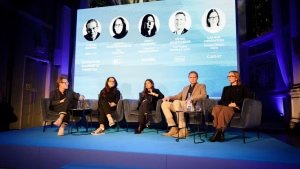
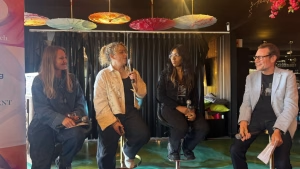
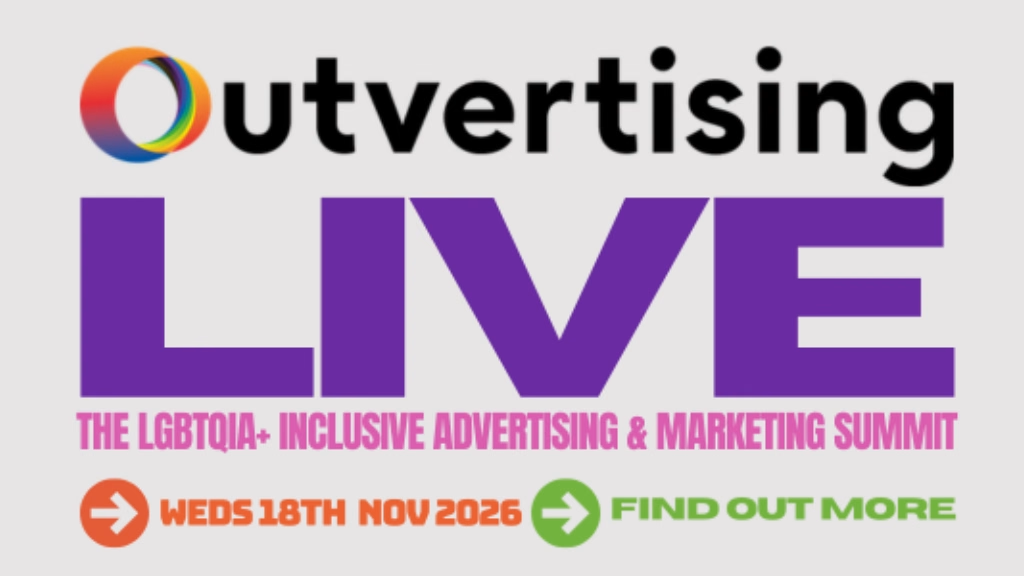
Now in its fifth year, Outvertising Live is the advertising and marketing industry’s only LGBTQIA+ focused annual summit. Its 2026 theme – “champion authenticity through adversity” – could hardly be more pointed. Organised by Outvertising, the volunteer-run, not-for-profit group working to make UK advertising fully LGBTQIA+ inclusive, it brings together more than 200 marketers, emerging queer talent and allies for keynotes, panels and LGBTQIA+ centred work. The aim is practical: to give marketers the evidence, tools and confidence to run inclusive campaigns more often, and to do them properly.
The great going-quiet
The adversity is real. Guardian analysis found that many of the UK’s biggest brands, including Unilever and British American Tobacco, have dialled back public Pride support, with brand social mentions of Pride down 92% since 2023. Pride organisers have felt it in their budgets: three-quarters of more than 100 UK Pride organisers reported fewer corporate partnerships, and a quarter saw sponsorship income fall by more than half.
Some of this is imported. The US federal crackdown on DEI has made multinationals cautious everywhere. But some is home-grown. The UK’s increasingly heated debate over trans rights, sharpened by last year’s Supreme Court ruling on the legal definition of a woman, has led some brands to sidestep LGBTQIA+ partnerships altogether. Outvertising joint CEO Marty Davies has warned that, in response to backlash, advertisers are booking less queer and trans talent.
The result is a strange kind of half-presence: brands abandoning public support while quietly continuing to target LGBTQIA+ consumers through less visible channels. “Less loud and less proud,” as one LGBTQ+ publisher put it to Digiday.
Silence has a cost
The problem for brands is that the audience has noticed. Harris Poll research this year found that 81% of LGBTQ+ consumers say brands have pulled back support, and 84% lose trust in brands that retreat when there’s backlash. Outvertising’s own Consumer Report with YouGov found 64% of LGBTQIA+ consumers would be more likely to reject brands whose views don’t align with their own, compared with 50% of straight consumers – rising to 68% among LGBTQIA+ Gen Z.
That last figure matters. Younger audiences are more likely to identify as LGBTQIA+ and more likely to punish rainbow-washing. Brands that treated Pride as a seasonal campaign are discovering that retreating can do more reputational damage than never having shown up at all. Withdrawal reads as a signal of what a brand really values, and it lingers.
Meanwhile, the case for inclusion hasn’t gone away. US research finds 77% of LGBTQ+ consumers and 60% of consumers overall say inclusive advertising influences them. Yet the share of consumers who recall seeing inclusive ads is falling – from 73% in 2023 to 65% in 2025. The opportunity is growing just as the industry steps back from it.
From performance to practice
This is where Outvertising Live earns its place in the calendar. The conversation has moved on from whether brands should “do Pride” to how they build inclusion that survives pressure. That means year-round representation rather than June-only creative; casting and crewing queer and trans talent, not just borrowing their image; understanding LGBTQIA+ media habits; and having the internal policies – and the nerve – to stand behind the work when the backlash comes.
These aren’t questions of values alone. They’re questions of craft, media planning, risk management and growth. An audience that is growing, highly brand-aware and quick to reward consistency is not one any marketer can afford to treat as an afterthought.
Why the room matters
There’s also something valuable about the room itself. When LGBTQIA+ marketers are watching budgets and visibility shrink, a space where queer talent and allies can share what’s working – and be honest about what isn’t – counts for a great deal. Outvertising’s wider work, from its Advocacy Playbook and mentoring programme to its Trans+ Solidarity Statement, points the same way: inclusion is a capability to be built, not a campaign to switch on and off.
The brands that come out of this period with their credibility intact will be the ones that hold their nerve now. Outvertising Live is where the industry finds the evidence, and the courage, to do that. In a year when it would be easier to stay quiet, that is precisely why it matters.