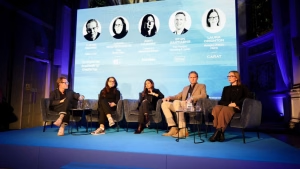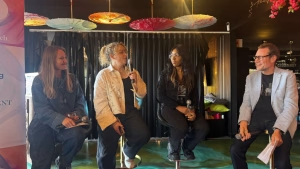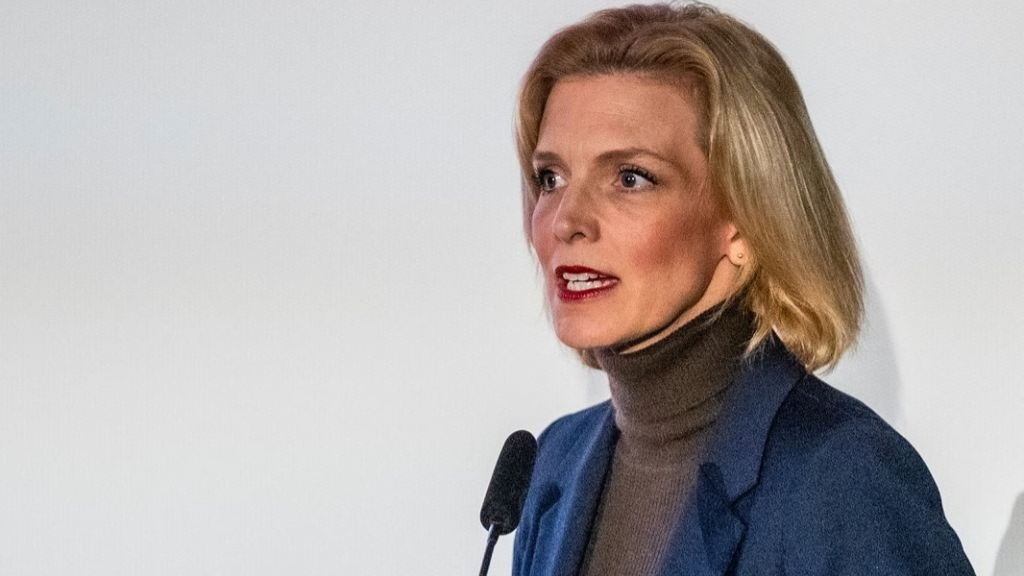
At Outvertising Live 2026, Labour MP Samantha Niblett ditched her prepared remarks to deliver a candid, unscripted keynote on authenticity, LGBTQIA+ allyship, and why the creative industries hold the key to shifting political culture.
Addressing a packed room, the MP for South Derbyshire opened by admitting she had thrown out her planned speech, joking that it sounded “boring”. Instead, she offered a personal look into her unexpected journey from a Nottingham childhood and a career in sales to the benches of the House of Commons.
Niblett, who came out as bisexual during last summer’s parliamentary Pride debate, explained that her decision to speak openly was driven by a sense of responsibility rather than personal ambition.
“Coming out matters, particularly if you have a platform,” she told the audience. “I wouldn’t walk around with a badge saying, ‘Hello, I’m on the LGBTQ spectrum,’ but I know that it matters to other people, and that’s why I chose that moment to do it.”
The power of showing up authentically
Throughout her address, Niblett reflected on the tension between political caution and genuine representation. Ahead of local elections in Derbyshire, she admitted she initially held back from being as vocal an ally to the trans community as she wanted, fearing it might alienate voters. Looking back, she realised that holding back achieved nothing.
“I thought that not being authentically me would somehow help us, and that couldn’t have been further from the truth,” she said. Once she began speaking up in media appearances, including on BBC’s Politics Live, the response was overwhelming.
“Of all my social media clips, the ones defending the trans community are the ones that took off. You could almost hear the sigh of relief from people thinking, ‘There’s somebody speaking sense, there’s somebody standing up for us.'”
While acknowledging the toxicity of online discourse, Niblett argued that positive engagement still wins out. “
The love far outweighs the hate but the hate is noisier,” she said. When politicians shy away from their true selves, she warned, it shrinks the space for everyone else.
“When I shy away from being me, not only do I feel smaller, but people around me feel smaller, and the wrong people feel empowered.”
Changing the national conversation
A central theme of Niblett’s keynote was her Summer of Sex campaign, launched in April to champion lifelong, inclusive sex education free from fear and embarrassment. Determined to dismantle the stigma around the subject, she spoke candidly in Parliament about everything from pornography to sex toys, a move that landed her on the front page of The Telegraph.
“If we want to change the conversation, we have to take bold steps,” she explained. “If I want to take the shame, guilt, and embarrassment out of talking about sex, then we need to talk about sex, and so I need to talk about it.”
She also highlighted the urgent need to push back against regression on LGBTQIA+ rights, pointing out that the UK has slipped from one of the safest countries in the world for LGBTQIA+ people down to 22nd. For Niblett, pushing through a ban on conversion practices is non-negotiable, describing the practice simply as “abuse”.
A call to action for communicators
Drawing on her background in sales, Niblett framed politics as an exercise in communication, placing immense value on the work done by the advertising and media sectors. MPs, she explained, are stretched thin across thousands of constituent issues and rely heavily on cultural shifts to drive legislative action.
“It is things that happen in the real world that influence government policy, not the other way around,” she said. Pointing to the cultural impact of television dramas like Adolescence on public awareness of online harms, she urged the industry to recognise its influence. “Government generally reacts, and often reacts too late. The stories you tell will shape how people think and feel about something.”
Closing her remarks before rushing off to a meeting at 11 Downing Street to lobby for her local miners’ pension scheme, Niblett left the audience with a clear challenge to use their creative platforms for social good.
“Your stories, the way that you rally troops and make people feel, impact what MPs do,” she concluded. “If we bring creative minds and politicians together, we can help change the world for the better.”