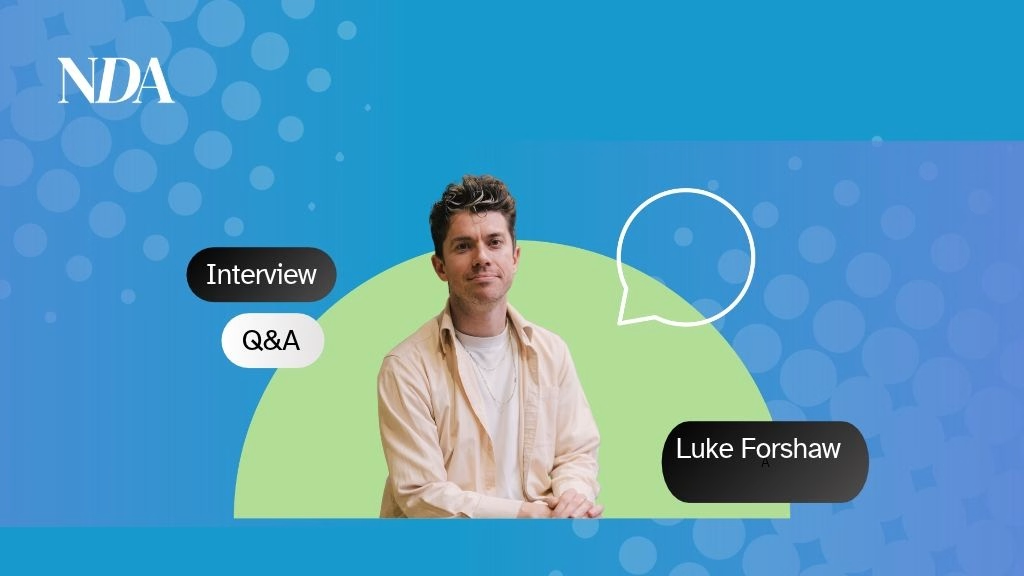
With more than fifteen years of advertising experience spanning agencies and global brands such as Apple, Beats and Red Bull, Luke Forshaw now serves as Head of Marketing, Europe at Back Market. Founded in France and now operating across Europe, North America and Asia-Pacific, Back Market has grown into a leading marketplace for professionally-refurbished technology, championing the circular economy and giving consumer electronics a second life.
Sitting down with New Digital Age, Forshaw discusses the nuances of short-form video, navigating sustainability across media channels, the role of AI in pre-testing, and why public perceptions of second-hand hardware are finally changing.
How do you approach video marketing across short-form and creator channels?
Our online video strategy sits in a blended environment between brand building and performance. In environments where consumers are either scrolling rapidly or cannot skip, we deliberately run shorter assets.
To make that work, we mix Back Market-produced content with creator-led and licensed material, ensuring our messaging feels as native and platform-relevant as possible.
Influencers and creators serve slightly different strategic functions for us. We tend to view influencers as partners who carry strong sway around a specific sentiment or brand message that needs articulating.
With creators, we grant far more creative licence. Whether it is an event or a seasonal moment like back-to-school, we share the brief and let them interpret the concept in their own voice. We then selectively boost the best-performing assets with paid media.
How does your brand ethos influence your use of first-party data and media placement?
We keep our first-party data separate from video targeting. We primarily leverage customer data through our owned channels, such as CRM and in-app communications, looking at completed purchases, cart abandonment, and retention.
Because our entire business model is built around environmental responsibility, we are very careful not to promote over-consumption. We want to offer a useful long-term service rather than push unnecessary upgrades onto people.
That principle extends to where we show up physically and digitally. When we conduct campaign wash-ups with our media agency, we review the operational footprint, whether that means verifying the energy sources powering digital out-of-home screens or checking how traditional billboards are recycled.
We also assess our publishing environments to avoid backing outlets that lobby for fossil fuels. It is about protecting brand credibility while practising what we preach.
Where does AI fit into your creative and measurement processes?
Artificial intelligence has made its biggest immediate impact in our internal reporting and creative testing. Over the past twelve months, automating aspects of reporting has saved substantial time, allowing our team to focus on extracting meaningful insights rather than manually stitching numbers together across platforms.
Externally, we have introduced AI to help pre-test video and television assets, analysing emotional sentiment, entertainment value, and messaging structure before launch. That gives us objective guidance on where to tighten an edit or front-load brand mentions.
However, every single output must pass through human review. We produce our design work in-house and are fiercely protective of our tone of voice. We never want to put unvetted generative slop into the world.
How do you keep multiple agency partners aligned across an omnichannel strategy?
Brand-side leaders have to take personal responsibility for keeping everyone working toward the same goals, timelines, and metrics.
Having spent years working inside agencies before joining Back Market, I know how rare it is for different agencies to collaborate outside client-led meetings.
In the UK, we involve our PR, creator, and media agencies from the outset. We establish total transparency on timings, target audiences, and key product focuses.
After every campaign wave, we conduct an honest wash-up to look at what worked and what failed. That collective feedback loop makes each subsequent campaign more efficient.
What gives you the greatest confidence about the future of the circular tech market?
For years, refurbished technology was treated as an underdog, surrounded by lingering doubts about reliability. That perception is shifting rapidly. Decades ago, if your car had a puncture, you repaired the tyre rather than buying a whole new car; today, people think nothing of using Auto Trader or repairing their own vehicle.
Tech is finally reaching that exact inflection point.
Younger consumers already understand that you do not constantly need the newest release. We are moving away from having to persuade people that circular electronics work, toward simply validating that choosing refurbished is the smarter, more affordable, and environmentally sound decision.